
 कास्ट आयरन या दूसरी धातुओं
पर CED कोटिंग क्या है?
CED (कैथोडिक इलेक्ट्रो-डिपोजिशन) कोटिंग, जिसे ई-कोटिंग या KTL भी कहा जाता है, एक बहुत एडवांस्ड इलेक्ट्रोकेमिकल प्रोसेस है जिसका इस्तेमाल कास्ट आयरन, स्टील और एल्यूमीनियम जैसी कंडक्टिव मेटल सतहों पर एक प्रोटेक्टिव, यूनिफॉर्म प्राइमकास्ट आयरन या दूसरी धातुओं पर CED कोटिंग क्या है?
CED (कैथोडिक इलेक्ट्रो-डिपोजिशन) कोटिंग, जिसे ई-कोटिंग या KTL भी कहा जाता है, एक बहुत एडवांस्ड इलेक्ट्रोकेमिकल प्रोसेस है जिसका इस्तेमाल कास्ट आयरन, स्टील और एल्यूमीनियम जैसी कंडक्टिव मेटल सतहों पर एक प्रोटेक्टिव, यूनिफॉर्म प्राइमर लेयर लगाने के लिए किया जाता है।
यह असल में "बिजली से पेंटिंग" की तरह काम करता है। मेटल का हिस्सा पेंट के कणों के पानी वाले बाथ में डूबा होता है और कैथोड (नेगेटिव इलेक्ट्रोड) की तरह काम करता है। जब इलेक्ट्रिक करंट लगाया जाता है, तो पॉजिटिव चार्ज वाले पेंट के कण मेटल की सतह पर चले जाते हैं और उससे जुड़ जाते हैं, जिससे एक सीमलेस और टिकाऊ परत बनती है।
कास्ट आयरन और धातुओं के लिए खास फायदेर लेयर लगाने के लिए किया जाता है।
यह असल में "बिजली से पेंटिंग" की तरह काम करता है। मेटल का हिस्सा पेंट के कणों के पानी वाले बाथ में डूबा होता है और कैथोड (नेगेटिव इलेक्ट्रोड) की तरह काम करता है। जब इलेक्ट्रिक करंट लगाया जाता है, तो पॉजिटिव चार्ज वाले पेंट के कण मेटल की सतह पर चले जाते हैं और उससे जुड़ जाते हैं, जिससे एक सीमलेस और टिकाऊ परत बनती है।
कास्ट आयरन और धातुओं के लिए खास फायदे
टोटल कवरेज: स्प्रेइंग के उलट, यह इमर्शन प्रोसेस मुश्किल मेटल शेप के हर कोने, छेद और अंदरूनी कैविटी तक पहुंचता है।
ज़बरदस्त जंग रेज़िस्टेंस: यह जंग, वेदरिंग और केमिकल्स के खिलाफ एक मज़बूत बैरियर देता है, जो अक्सर 1,000 घंटे से ज़्यादा सॉल्ट स्प्रे रेज़िस्टेंस देता है।
एक जैसी मोटाई: यह प्रोसेस सेल्फ-लिमिटिंग है; एक खास मोटाई आने पर, लेयर इंसुलेटिंग हो जाती है और आगे जमना बंद कर देती है, जिससे पूरे पार्ट पर एक जैसी फिनिश मिलती है।
ईको-फ्रेंडली: पानी पर आधारित होने के कारण, इसमें पारंपरिक सॉल्वेंट-बेस्ड पेंट की तुलना में बहुत कम वोलेटाइल ऑर्गेनिक कंपाउंड (VOC) एमिशन होता है।
CED कोटिंग प्रोसेस
प्री-ट्रीटमेंट: पार्ट्स को अच्छी तरह से साफ किया जाता है और अक्सर फॉस्फेट कन्वर्जन कोटिंग दी जाती है ताकि पेंट पूरी तरह से चिपक जाए।
इलेक्ट्रोडिपोजिशन: पार्ट को CED बाथ में डुबोया जाता है, और पेंट फिल्म को जमा करने के लिए DC करंट लगाया जाता है।
रिंसिंग: चिकनी सतह बनाए रखने के लिए ज़्यादा, बिना बॉन्ड वाला पेंट धो दिया जाता है।
क्योरिंग: कोटेड पार्ट को ओवन में (आमतौर पर 160°C से 200°C पर) "बेक" किया जाता है ताकि फिल्म एक मज़बूत, परमानेंट पॉलीमर शील्ड में सख्त हो जाए।
आम इस्तेमाल
ऑटोमोटिव: कार बॉडी, चेसिस और इंजन के पार्ट्स के लिए प्राइमरी कोटिंग।
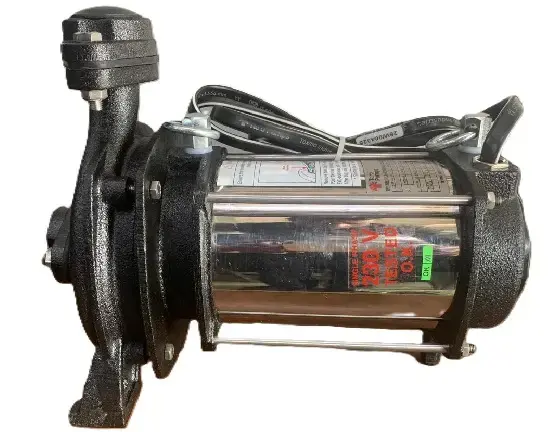
इंडस्ट्रियल: कास्ट आयरन से बने पंप, वाल्व और भारी मशीनरी। उपकरण: रेफ्रिजरेटर, वॉशिंग मशीन और डिशवॉशर के लिए मेटल पार्ट्स
WHAT IS CED COATING ON CAST IRON OR OTHER METALS?
CED (Cathodic Electro-Deposition) coating, also known as e-coating or KTL, is a highly advanced electrochemical process used to apply a protective, uniform primer layer to conductive metal surfaces like cast iron, steel, and aluminium.
It essentially works like "painting with electricity". The metal part is submerged in a water-based bath of paint particles and acts as a cathode (negative electrode). When an electric current is applied, the positively charged paint particles migrate to and bond with the metal surface, creating a seamless and durable layer.
Key Benefits for Cast Iron & Metals
Total Coverage: Unlike spraying, this immersion process reaches every nook, cranny, and internal cavity of complex metal shapes.
Exceptional Corrosion Resistance: It provides a robust barrier against rust, weathering, and chemicals, often achieving over 1,000 hours of salt spray resistance.
Uniform Thickness: The process is self-limiting; once a specific thickness is reached, the layer becomes insulating and stops further deposition, ensuring a consistent finish across the entire part.
Eco-Friendly: Being water-based, it has very low Volatile Organic Compound (VOC) emissions compared to traditional solvent-based paints.
The CED Coating Process
Pre-Treatment: Parts are thoroughly cleaned and often given a phosphate conversion coating to ensure the paint sticks perfectly.
Electrodeposition: The part is dipped into the CED bath, and DC current is applied to deposit the paint film.
Rinsing: Excess, un-bonded paint is washed away to maintain a smooth surface.
Curing: The coated part is "baked" in an oven (typically at 160°C to 200°C) to harden the film into a tough, permanent polymer shield.
Common Applications
Automotive: Primary coating for car bodies, chassis, and engine components.
Industrial: Pumps, valves, and heavy machinery made of cast iron.
Appliances: Metal parts for refrigerators, washing machines, and dishwashers
